
Bringing your puppy home
How to prepare your home for a new puppy
By Casa Trufa · · 7 min read
Before the puppy arrives, have four things sorted: a quiet corner with its bed or crate, the home checked at puppy height (cables, cleaning supplies, toxic plants, balconies), the basics for eating, walking and chewing, and the first veterinary appointment already scheduled. Everything else can wait until you know your puppy.
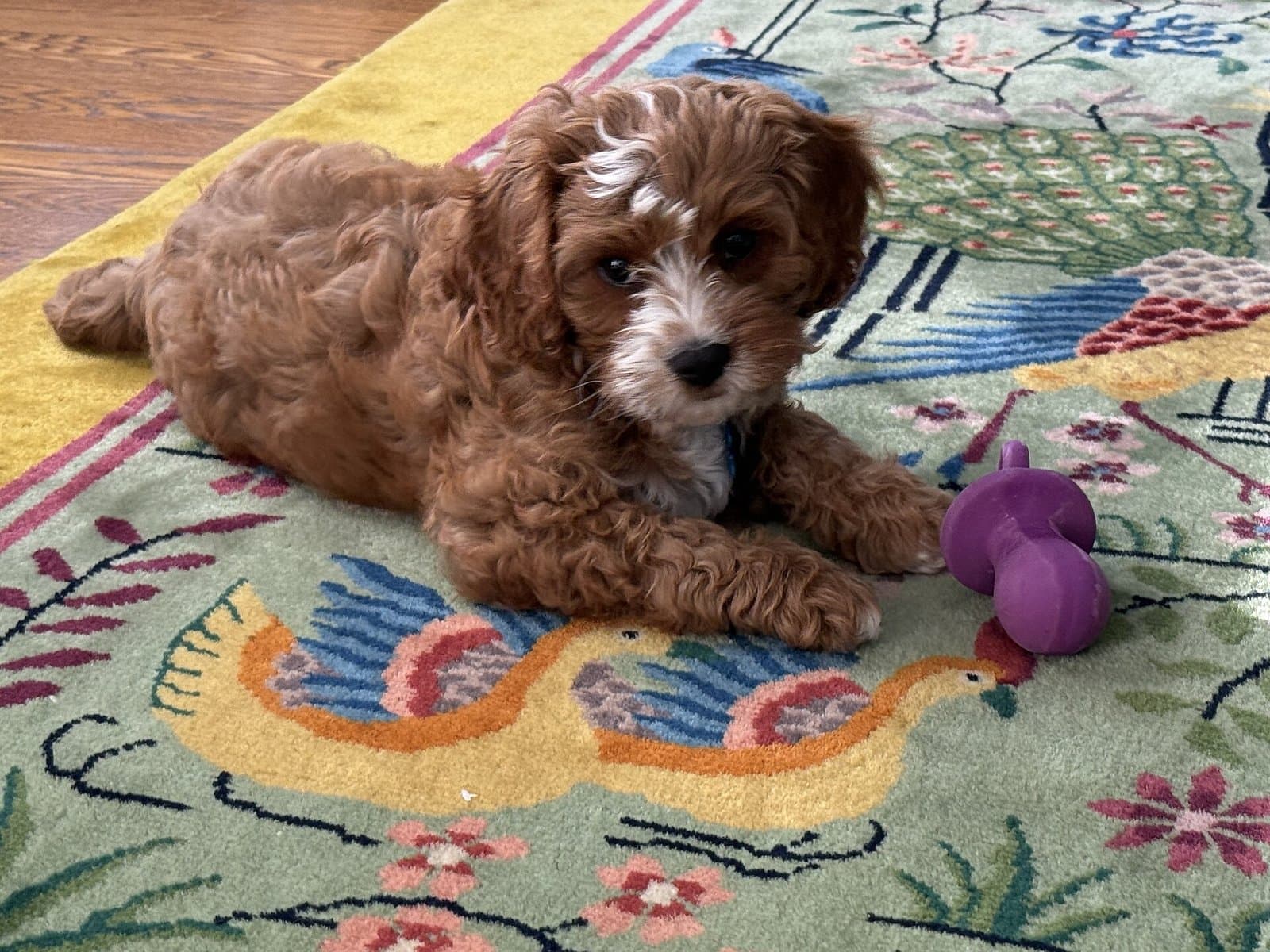
What should be ready before a puppy arrives?
Four things: a fixed, quiet corner for sleeping, the home checked at puppy height, a short list of basic supplies and the veterinary appointment already scheduled. With that sorted, the first day goes to the only thing that matters: letting the puppy arrive, sniff, eat and sleep without any scares.
What you don’t need is a home full of accessories. A puppy changes size in a matter of weeks, and you only learn its tastes once it lives with you. The sensible approach is to start with little and add later.
Where should the puppy sleep and rest?
In a quiet corner, away from drafts and raised off the floor, where it can see the family without being in the middle of the traffic. That is where its bed or crate goes. The ASPCA puts it this way: a warm, quiet place to rest, away from drafts.
Choose the spot before the puppy arrives and don’t change it three days later. The British veterinary charity PDSA advises deciding from the start where the puppy will sleep in the long term, because moving it later is disorienting.
If you use a crate, get one sized for the adult dog or one that can be extended: according to the PDSA, the dog should be able to stand and sit without touching the top, turn around, lie down and stretch out fully. Inside, soft bedding and water; outside, a blanket over the top and sides, with the front left clear, makes it cozier. How to introduce it, step by step, is in basic puppy training.
What hazards does a house or apartment hold for a puppy?
The ones at its height that fit in its mouth: cables, cleaning supplies, medicines, trash, human food, small objects and gaps it could fall through. A puppy explores by chewing, so do the check crouched down, room by room, looking at the home from where the puppy will see it.
- Cables and chargers: tidied away, inside cable covers or behind furniture. The laptop and phone chargers are the first ones a puppy finds.
- Cleaning supplies: the ASPCA poison control center warns that undiluted bleach can injure the mouth and esophagus, and that fabric softeners and dryer sheets contain cationic detergents that can cause chemical burns. They go up high or under lock and key.
- Medicines and toothpaste: toothpaste may contain fluoride or xylitol. None of that on nightstands or in open bags.
- Human food: chocolate, grapes and raisins, onion and garlic, macadamia nuts, alcohol, yeast dough and anything containing xylitol are on the ASPCA list. The details are in foods dogs should never eat.
- Trash and small objects: a trash can with a lid; socks, children’s toys, rubber bands and coins off the floor.
- Balconies, terraces and stairs: a puppy does not judge height and slips between railings it does not look like it could fit through. Until there is netting or a solid barrier, the balcony door stays closed. A baby safety gate takes care of stairs and the kitchen.
Which plants are toxic to dogs?
Several of the most common ones in living rooms and on balconies. The ASPCA list of plants toxic to dogs includes sago palm, dieffenbachia, pothos, peace lily, aloe, azalea, oleander, hydrangea, caladium and poinsettia. The prudent thing is to move them up high or out of the puppy’s space.
| Plant (common name, and what it is called in Colombia) | How it appears on the ASPCA list |
|---|---|
| Sago palm, cycad (palma sagú, cica) | Sago Palm, Cycads |
| Dieffenbachia (difenbaquia) | Dumbcane |
| Pothos (poto) | Devils Ivy |
| Peace lily (cuna de Moisés) | Peace Lily |
| Aloe vera (sábila) | Aloe |
| Azalea | Azalea |
| Oleander (adelfa) | Oleander |
| Hydrangea (hortensia) | Hydrangea |
| Caladium (caladio) | Caladium |
| Poinsettia (flor de Navidad) | Poinsettia |
The table is not complete. The ASPCA itself explains that its list covers the plants most frequently encountered, not all of them, and that eating any plant material can cause vomiting and digestive upset. If you don’t know what a plant is called, treat it as if it were on the list. How risky each one is, is for the veterinarian to judge.
What do you need at home before the puppy arrives?
A short list: bed, crate, food and water bowls, collar with an ID tag, leash, two or three chew toys, what you need to clean up accidents and the same food the puppy was already eating. The ASPCA basic list does not go much beyond that.
- Bed and crate in the right size, with a washable blanket.
- Food and water bowls that are stable and easy to wash.
- The same food the breeder was feeding, for the first few days. Ask about the brand, the amount and the schedule. Diet changes are made gradually and on the veterinarian’s advice.
- A light collar or harness, an ID tag with your phone number and a leash.
- Chew toys suited to the puppy’s age and size, and a toy that can be stuffed with food.
- A safety gate to block off stairs, the kitchen or the balcony.
- Cleaning: paper towels, bags and a cleaner for accidents.
- A brush or comb suited to the puppy’s coat type.
What can wait: clothes, spare beds, toys in quantity and anything “for when it’s bigger.”
Which rules should the family agree on before the puppy arrives?
The ones that are hard to change later: whether the puppy is allowed on the sofa and the beds, which rooms it goes into, where it goes to the toilet, who takes it out, who feeds it and at what times. The PDSA insists that everyone apply the same rules from day one, because inconsistency confuses the puppy.
If there are children, explain two things to them beforehand: that the puppy sleeps a lot and is not to be woken, and that nobody picks it up without an adult close by. The full rules are in children and dogs: living together safely. If you live in a residential complex, also read its bylaws (the reglamento de propiedad horizontal) before the puppy arrives.
When is the first veterinary appointment?
The recommendation is to schedule it before the puppy arrives and take the puppy in during its first days at home, even if it looks completely healthy. The veterinarian examines it, reviews the vaccination record the breeder hands over and sets the vaccination and deworming schedule that suits that particular dog.
Bring everything you were given to that appointment: vaccination record, deworming dates, the name of the food and any health test results for the parents. Which documents to ask for is covered in questions to ask a dog breeder, and what comes next, in your puppy’s first week at home.
Frequently asked questions
What does a puppy need on its first day at home?
A quiet place to sleep, water, the same food it was eating at the breeder’s, a set spot for going to the toilet, and calm. Visitors and walks can wait a few days.
Is a crate mandatory?
It is not mandatory, but introduced well it gives the puppy a refuge of its own and prepares it for travel and for a possible stay at the veterinary hospital. It is never used as punishment. The step-by-step is in basic puppy training.
Which houseplants are dangerous for a dog?
The ASPCA list includes, among others, sago palm, dieffenbachia, pothos, peace lily, aloe, azalea and oleander. The list is not exhaustive: when in doubt, the plant goes out of the puppy’s reach.
Do I have to close off the balcony if I live in an apartment?
It is wise to block access until there is netting or a barrier the puppy can neither fit through nor climb. A puppy does not judge height and gets through gaps smaller than you would think.
When should the puppy see the veterinarian for the first time?
The recommendation is to schedule the appointment before the puppy arrives and take it in during the first few days, with the vaccination record the breeder hands over. The veterinarian checks its condition and sets the vaccination and deworming plan.
Sources
- ASPCA Animal Poison Control: Toxic and Non-Toxic Plant List — Dogs. The plants in the table come from here; the ASPCA itself warns that the list is not exhaustive
- ASPCA Animal Poison Control: Toxic and Non-Toxic Plants (search tool). Warns that eating any plant material can cause vomiting and digestive upset
- ASPCA Animal Poison Control: Poisonous Household Products. Bleach, detergents, fabric softeners and toothpaste
- ASPCA Animal Poison Control: People Foods to Avoid Feeding Your Pets. List of foods
- ASPCA: tips for welcoming a new dog. Preparing the home, the crate and the first 48 hours
- ASPCA: General Dog Care. List of basic supplies and resting place
- PDSA: first day and night with a puppy. House rules agreed beforehand and safety gates
- PDSA: crate training. Crate size and what goes inside
Topics puppy · coming home · safety · crate · toxic plants
Keep reading